MarcorSEN Engineering / Services
Three pillars of expert witnessing, based on many years of experience.
Expert witnessing is accomplished across three overlapping practice areas: Specialty engineering, forensic investigation, and expert testimony. Marcor Platt and his team have experience and expertise in all three.
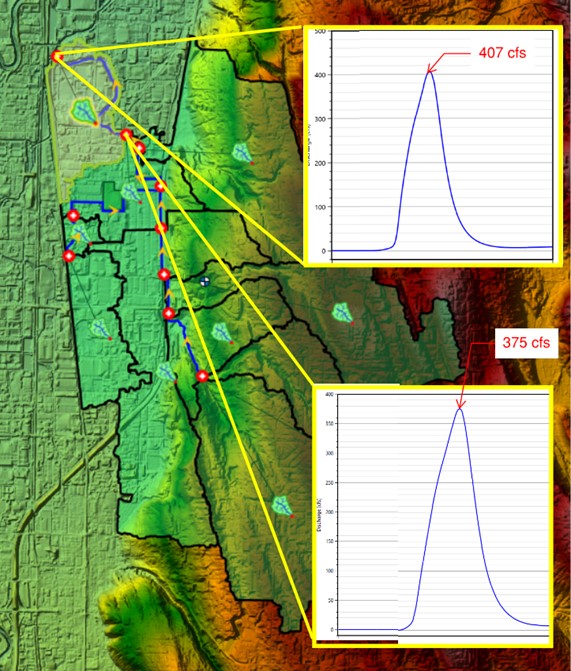
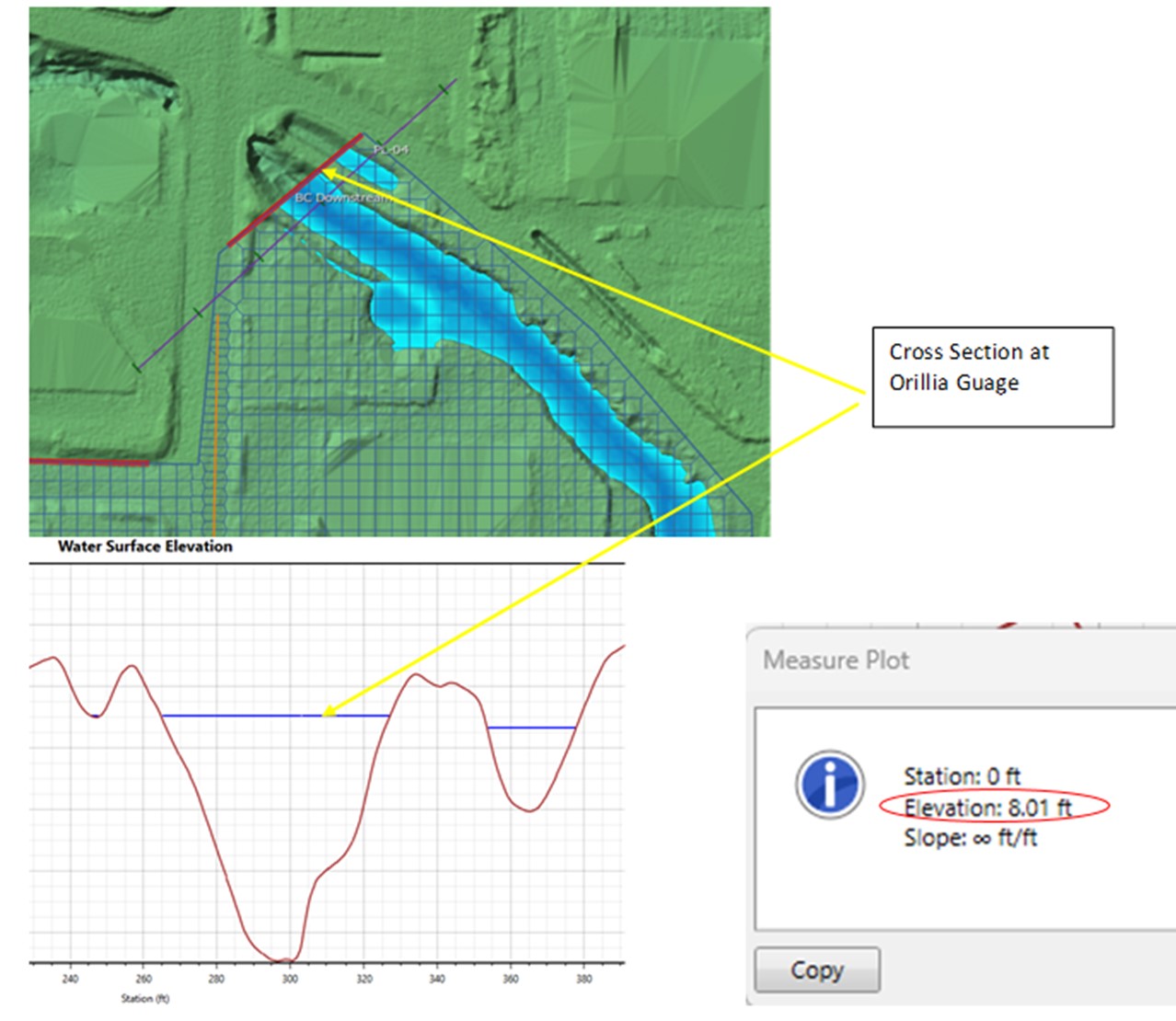
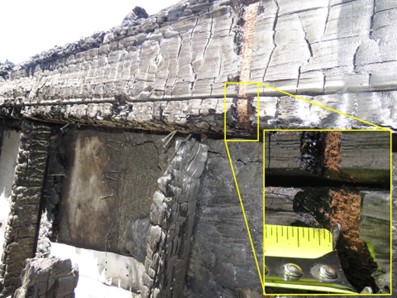
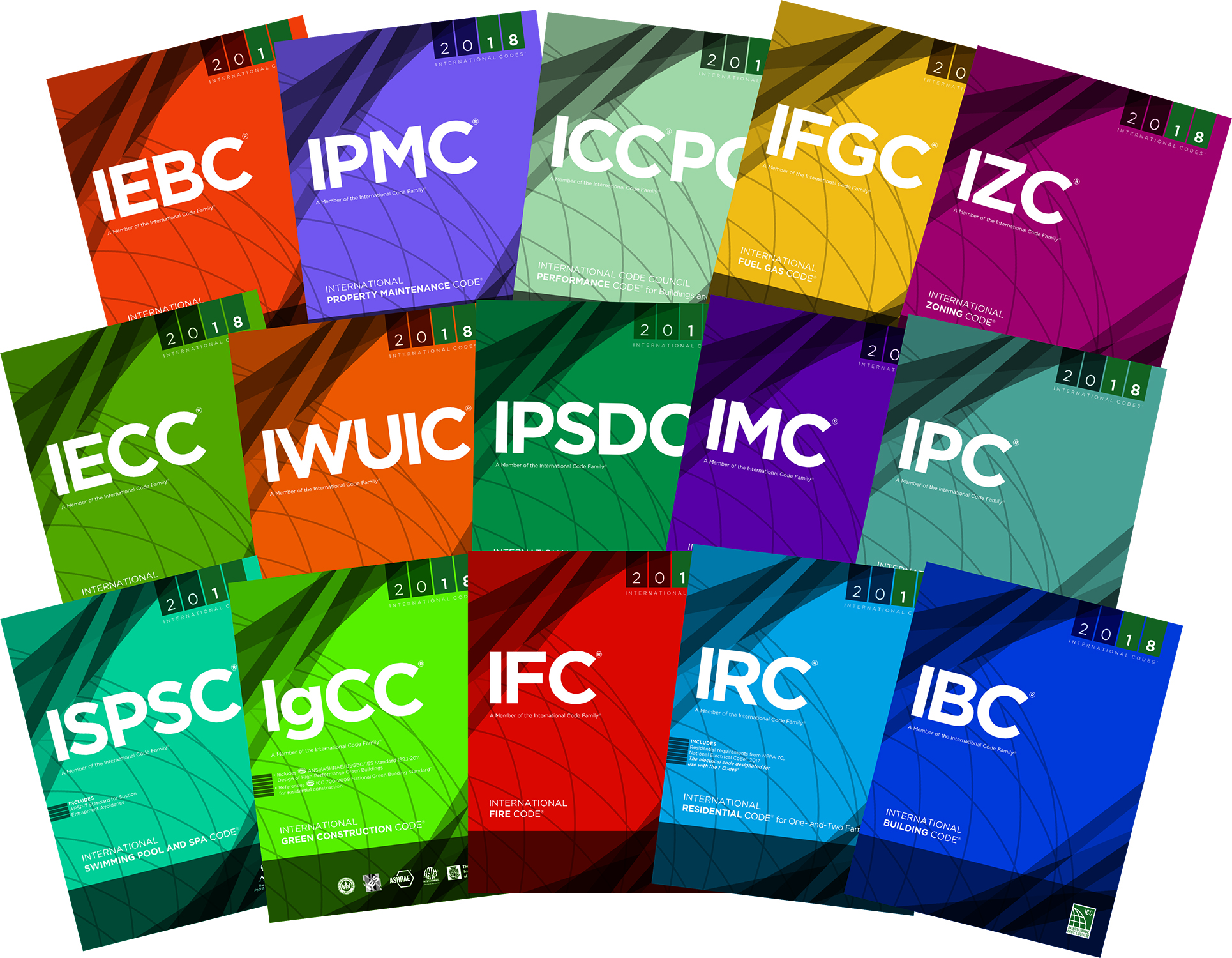
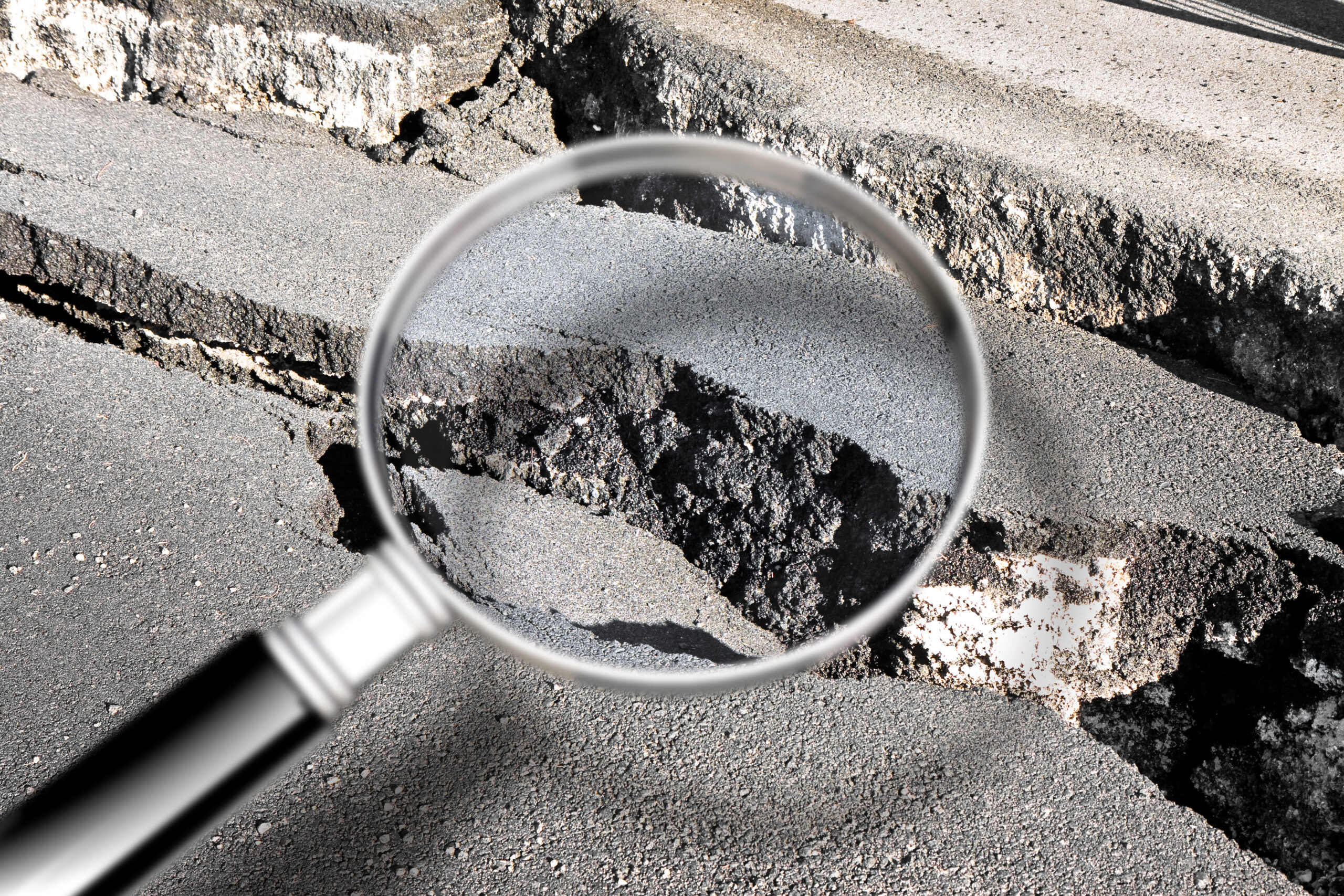
Specialty Engineering in multiple disciplines
Expert witnessing begins with expertise in one or more disciplines. Marcor and his team practice engineering outside of expert witness work in structural design, project management, building code expertise, and hydrologic and hydraulic (H&H) engineering.
Explore Specialties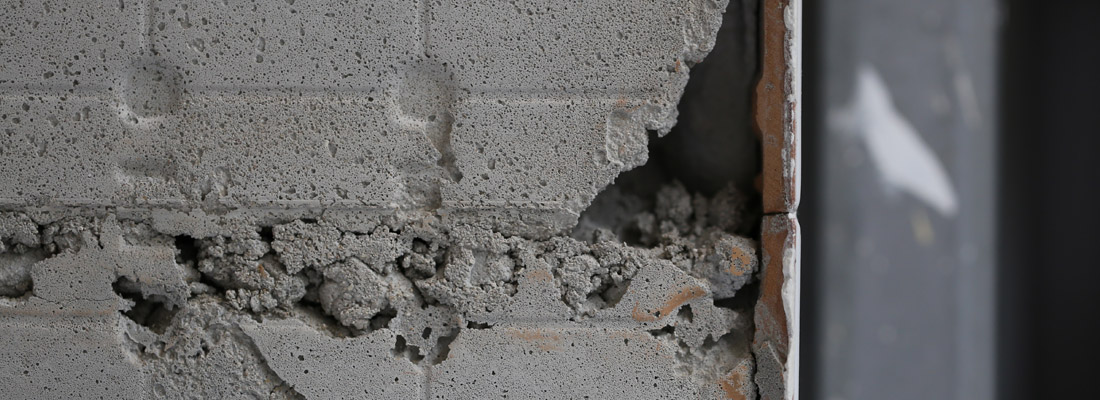
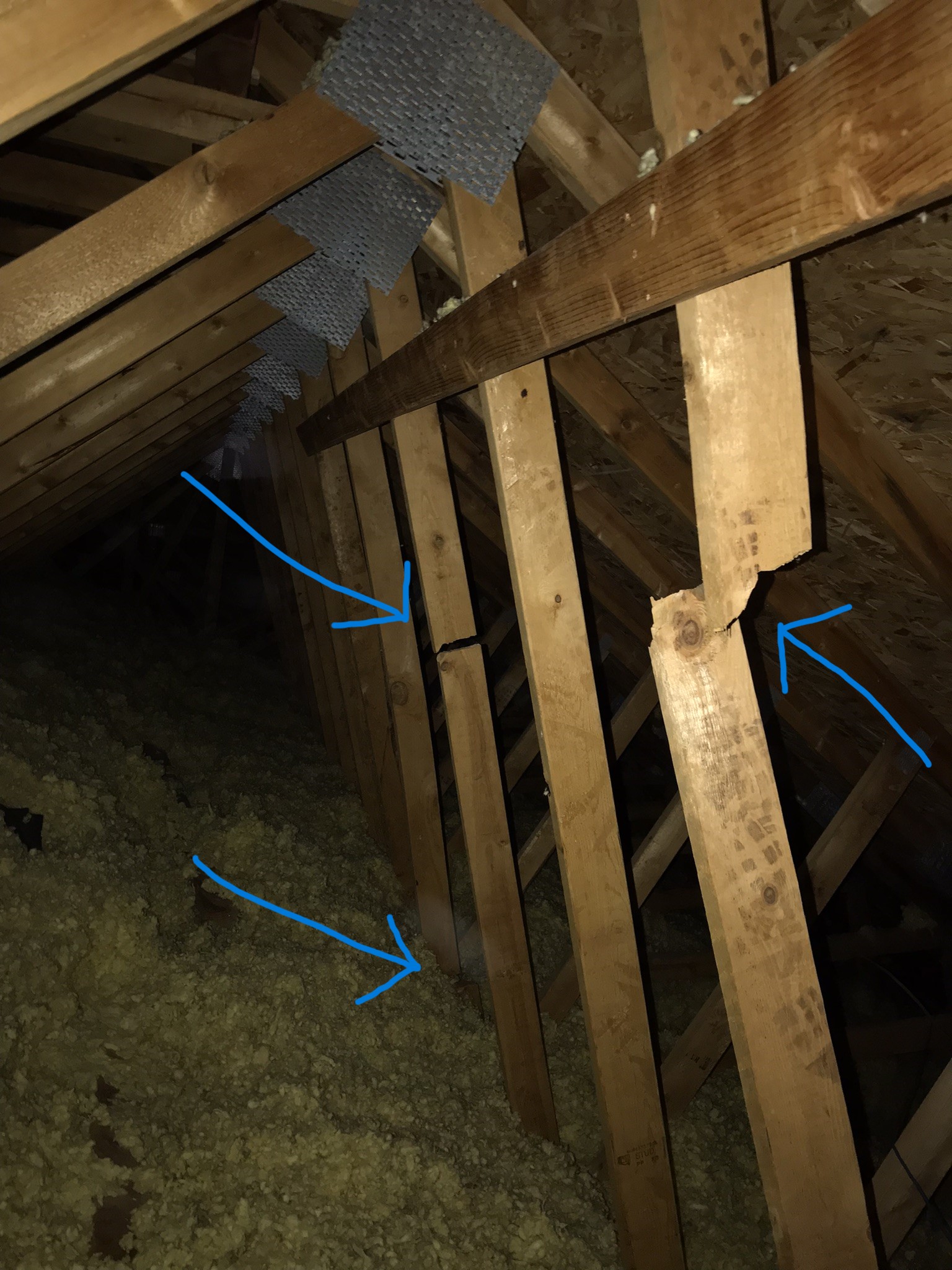
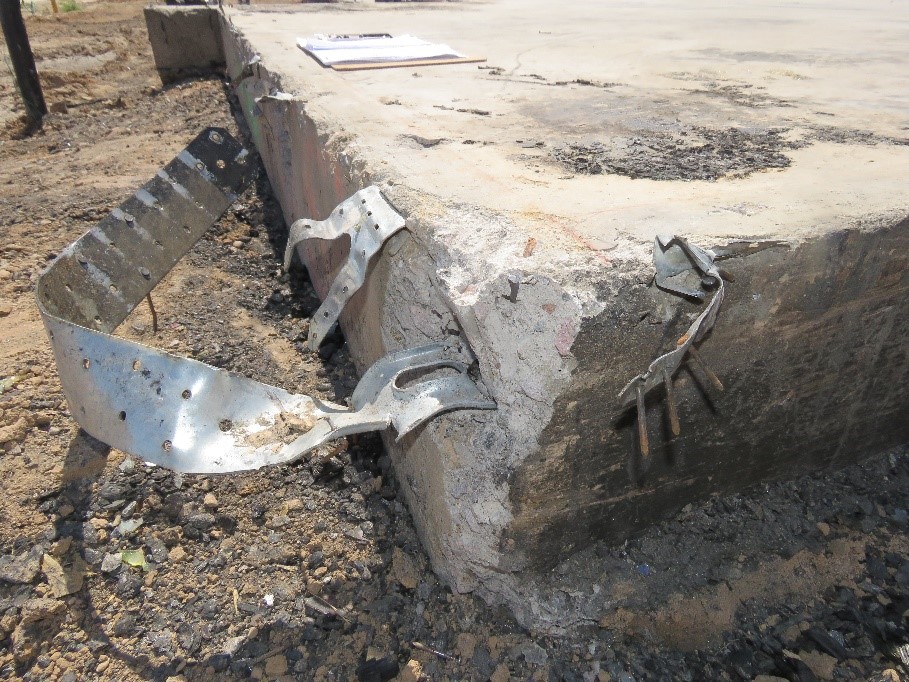
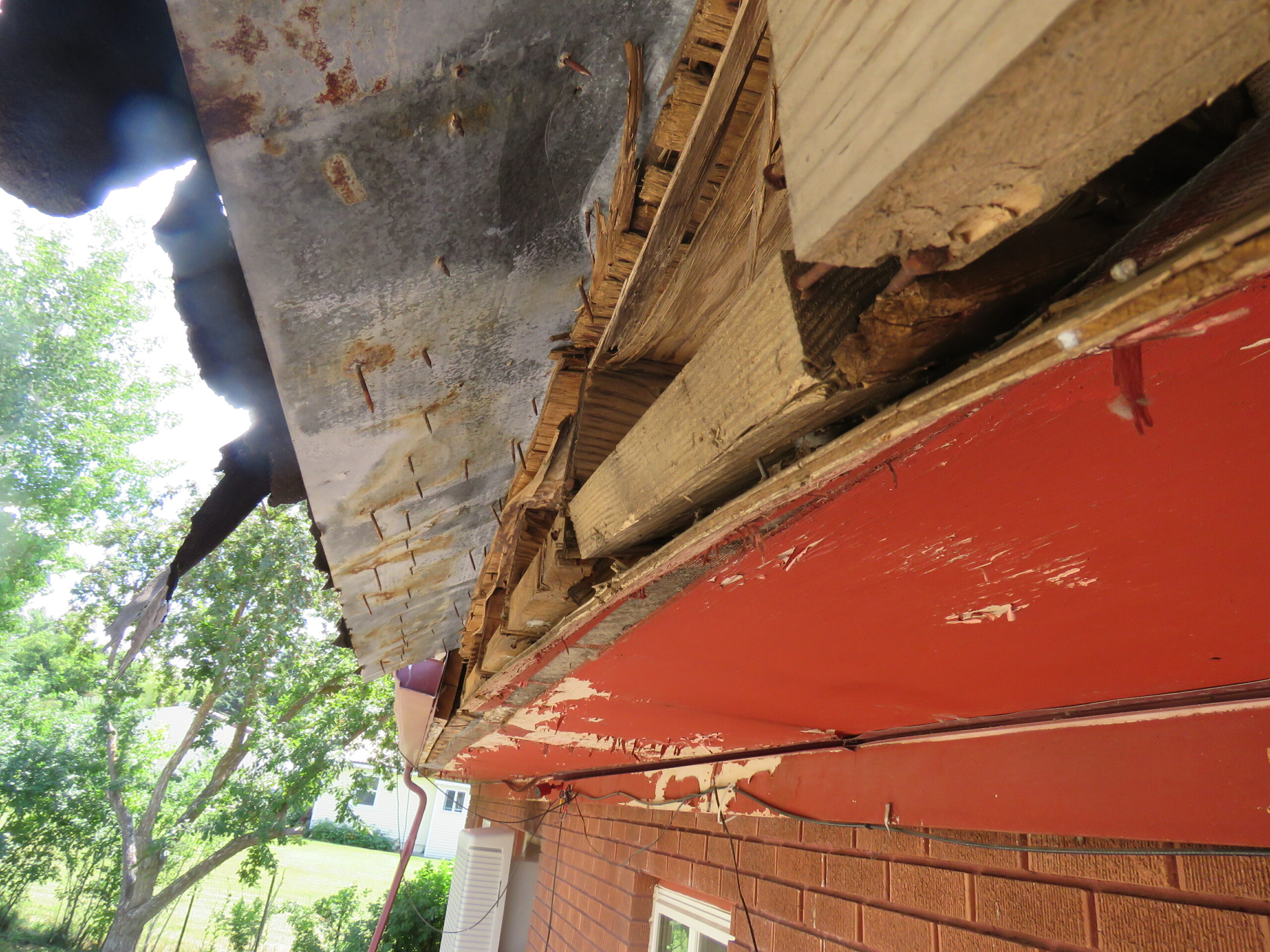
Forensic engineering that works backward from the failure.
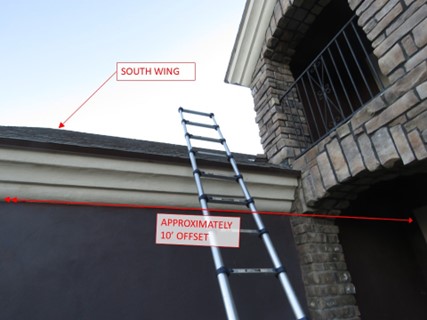
Specialty engineering and forensic engineering are two sides of the same coin. Engineers who practice both are better at both - knowing how things fail informs how to design things, and designing things keeps an engineer sharp on looking for evidence of failure. Marcor and his team practice failure investigation or forensic engineering in each of the disciplines in which it specializes.
Explore Forensic Engineering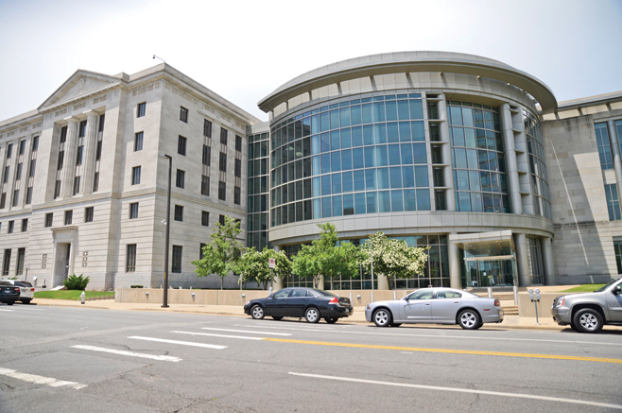
Expert testimony that delivers truth and technical accuracy.
The failures and other matters that Marcor investigates as a forensic engineer sometimes are resolved in litigation, which requires expert testimony in either deposition or trial. Marcor is experienced testifying in depositions and trials at multiple levels, and his testimony has been instrumental in providing clarity and technical accuracy for the triers of fact.
Explore Expert WitnessCapabilities
Deliverables consist of expert reports, consultation, and expert testimony.
The following examples illustrate the breadth and depth of specialty engineering areas in which Marcor has been qualified to offer and delivered expert testimony.
Truss Repair vs. Replacement Decisions
Pre-engineered metal-plate-connected truss assessment, quantifying observed damage, residual capacity, and whether repair, sistering, or replacement is the appropriate remedy under the applicable code.
Structural Adequacy for Wind Forces
Component-and-cladding and main-wind-force-resisting-system analysis to determine whether an as-built structure satisfies the wind loads required by ASCE 7 and the IBC at the relevant code cycle.
Wind-Driven Water Intrusion Analysis
Reconstruction of storm wind and rain exposure, envelope performance, and the path of water infiltration, separating wind-driven rain claims from pre-existing envelope or maintenance failures.
Underground Engineering Feasibility
Feasibility, design, and cost evaluation of underground utility infrastructure, including transmission-line work supporting expert testimony before the California Public Utilities Commission.
Vehicle and Vessel Impact Analysis
Determination of the forces generated and damage incurred due to impact from both vehicles and water vessels. Assessment of the feasibility of demolition, repair, or replacement.
Retaining and Fence Wall Stability
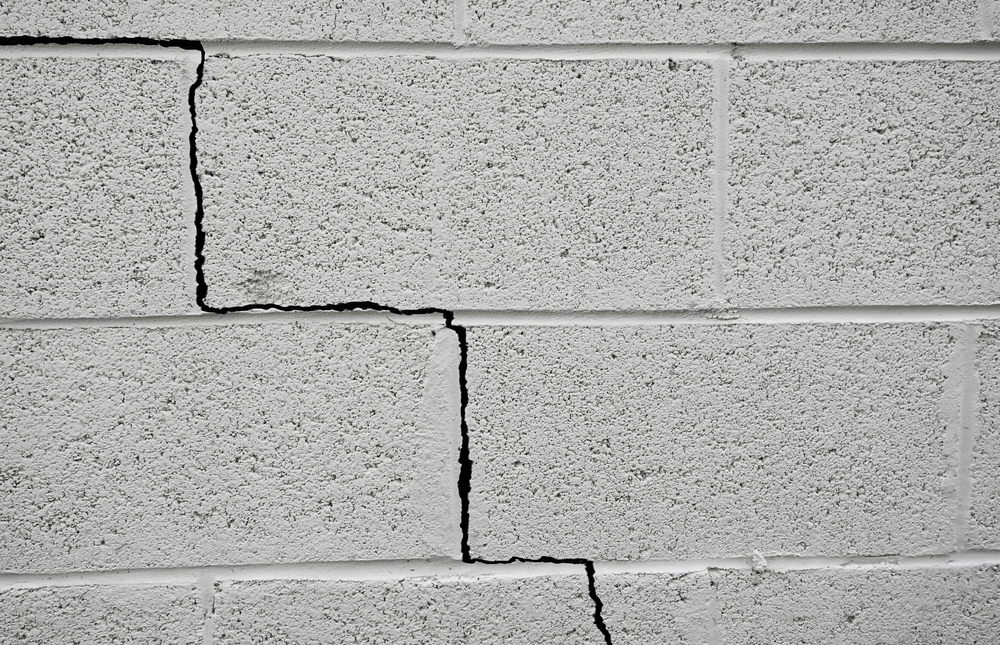
Assessed the structural stability, resilience, and long-term performance of multiple retaining and/or fence walls in multiple states and environments.