Practice / 02 Forensic Engineering

Forensic Engineering

Determining the cause of structural failure — whether from weather, moisture, impact, soil issues, or construction defect — and the structure's suitability for continued use.

Scroll to explore

A Sherlock Holmes approach to building failure.

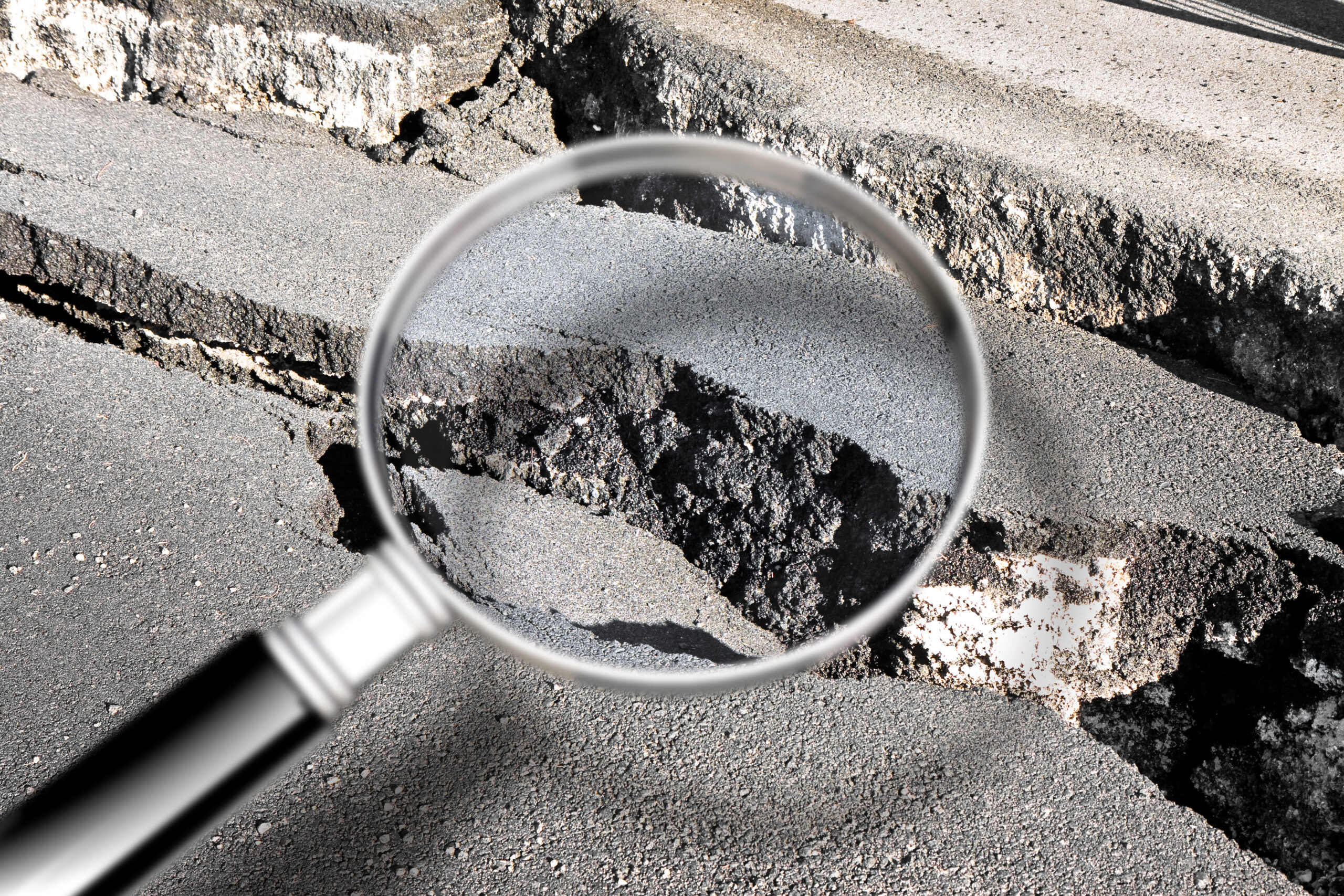
Forensic engineering is detective work performed in calculations and codes. The investigator walks the structure, gathers physical evidence, reviews the construction history, reconstructs the loading conditions, and works backward — through the damage, through the assembly, through the standards in force at the time of construction — to a defensible conclusion about cause. Every investigation begins with evidence preservation; every report ends with an opinion the engineer can stand behind in deposition. Building defects fall into four broad categories: structural, code-compliance, water intrusion, and serviceability.

I

Framing, foundations, connections, load paths.

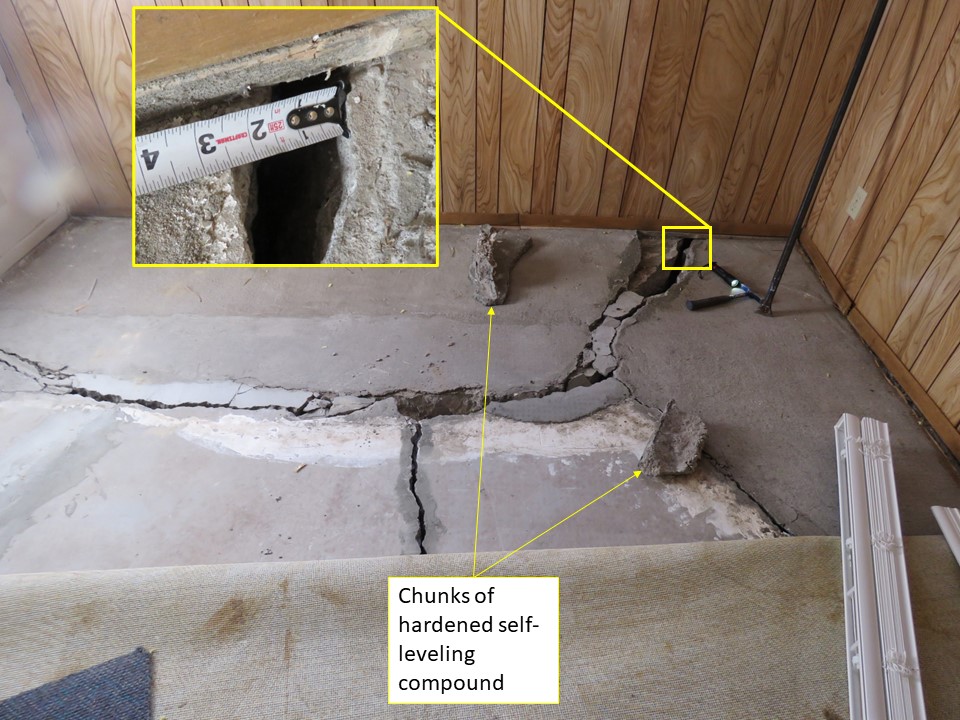
Investigation of structural defects across residential, commercial, and industrial properties — foundation settlement and subsidence, sinkholes and expansive soils, framing and connection failures, fractured trusses, undersized members, and load-path discontinuities. Includes instrumented floor-level surveys and reinforcement assessment after impact, fire, or weather events.

Wind-load and impact-force calculations are performed where the event is in dispute — for example, sorting wind damage from impact damage, or earthquake from settlement. Hurricane, tornado, hail, and seismic events are evaluated against the structure's as-built capacity and the code provisions in effect at construction.
II

IBC, IRC, IEBC, NEC, IFC, IFGC, IMC — and state amendments.

Code-compliance investigations applying the IBC, IRC, IEBC, NEC, IFC, IFGC, IMC, and state amendments — referenced to the specific code edition in force at the time of construction or alteration. Includes new-construction defect cases, alterations to existing buildings, and continued-use determinations on aging structures.

Marcor brings ICC Certified Building Official credentialing to this work — most recently as the engineer of record on a 27-violation investigation across a 20-unit apartment complex citing IBC, IEBC, NEC, IFC, IFGC, and IMC.

III

Infiltration, roofing failure, flood inundation, rot.

Forensic analysis of water-related failures including roofing system failures, envelope leaks, plumbing failures, wind-driven rain intrusion, and single-event flood inundation. Tied to LIDAR-based hydraulic modeling when external water sources are at issue, and to wind-load analysis when the question is whether the storm exposure exceeded the building envelope's capacity.

Reports address both ongoing-water damage progressing over time and discrete-event flood claims, with hydrologic and hydraulic modeling applied where appropriate to establish whether the loss is consistent with the claimed event.

IV

Deflection, vibration, durability, continued-use suitability.

Serviceability investigations covering excessive deflection, floor vibration, cracking, durability, and other limit states that affect a building's fitness for its intended use — without necessarily rising to a life-safety concern. Includes post-fire residual-capacity assessment, fire origin and cause review (electrical, heating, flammable materials, human error, arson), and continued-use suitability opinions for owners and counsel.

Each serviceability opinion includes the engineering thresholds applied, the measured or calculated values, and a clear statement of whether the structure remains fit for its current and intended use.

Recent forensic work in this practice area.

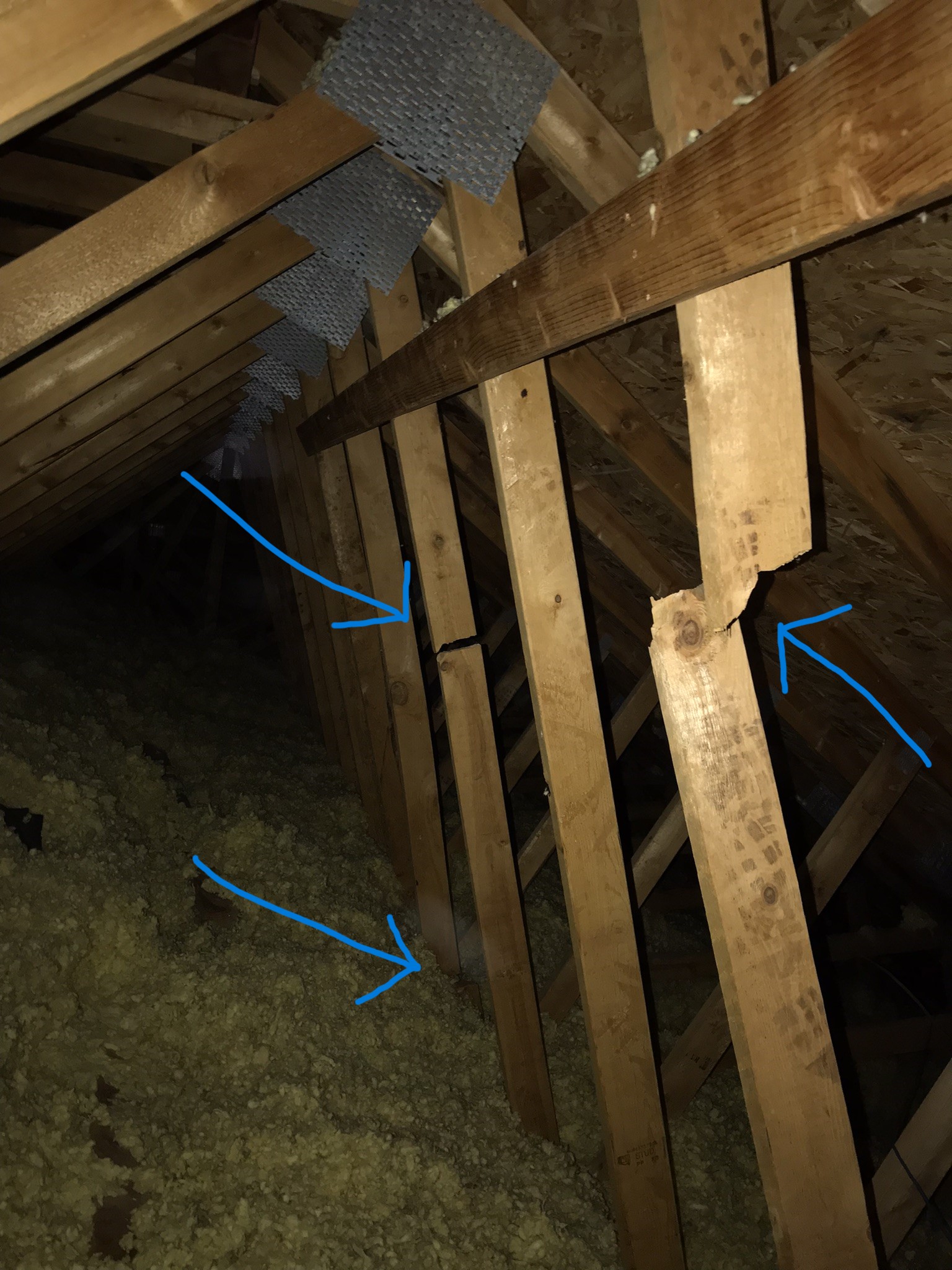
Fractured pre-engineered truss webs

Structural Defect

Fractured pre-engineered truss webs

Structural investigation of metal-plate-connected wood trusses with documented web fractures — capacity evaluation and remediation guidance.

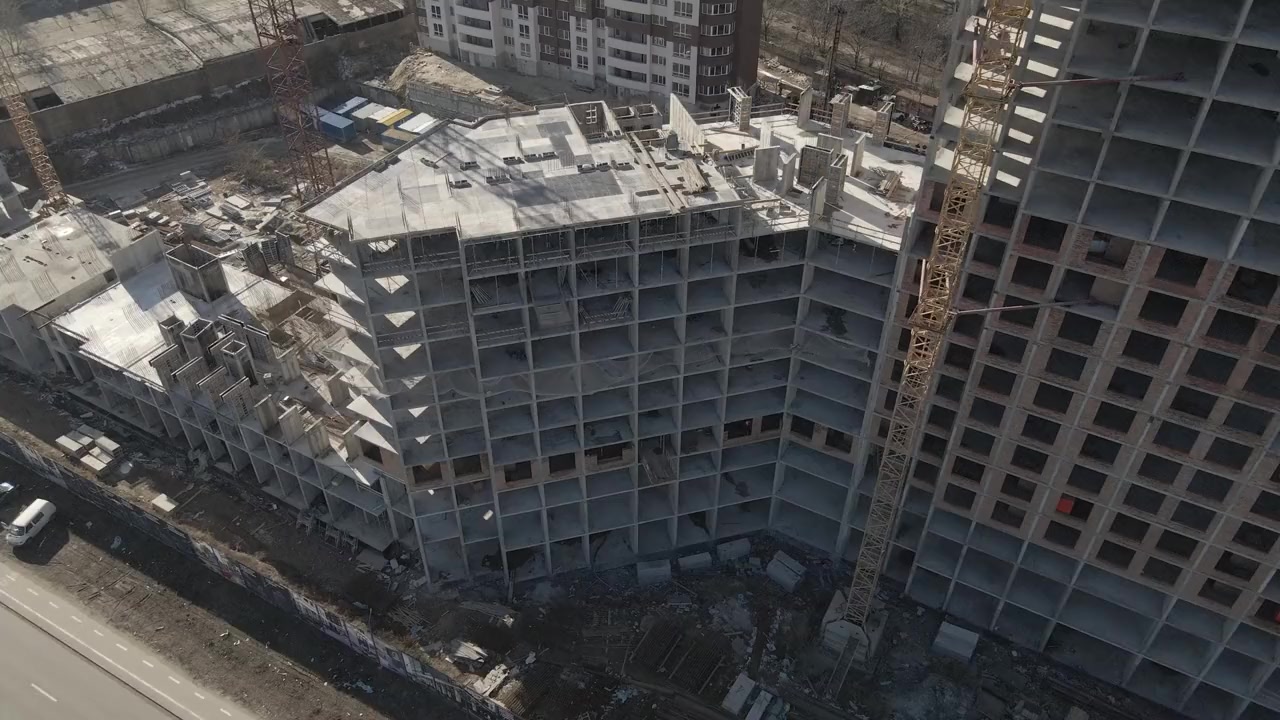
Post-fire residual capacity assessment

Post-Event Assessment

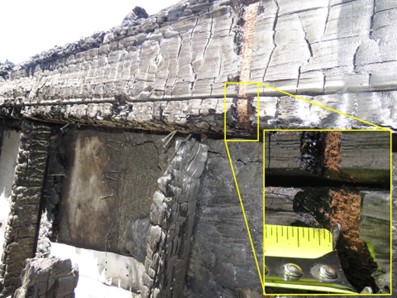
Post-fire residual capacity assessment

Fire-damaged structure evaluated for residual capacity, continued-use suitability, and remediation — including spalling and reinforcement exposure.

Slab crack — settlement causation

Foundation

Slab crack — settlement causation

Foundation movement investigation including instrumented floor-level survey and crack-propagation timing analysis to isolate cause.

Have damage that needs explaining? Let's investigate.

Request an investigation